
 English
 Español
 Français
 Português
Broad product portfolio and technology for FTTH broadband networks
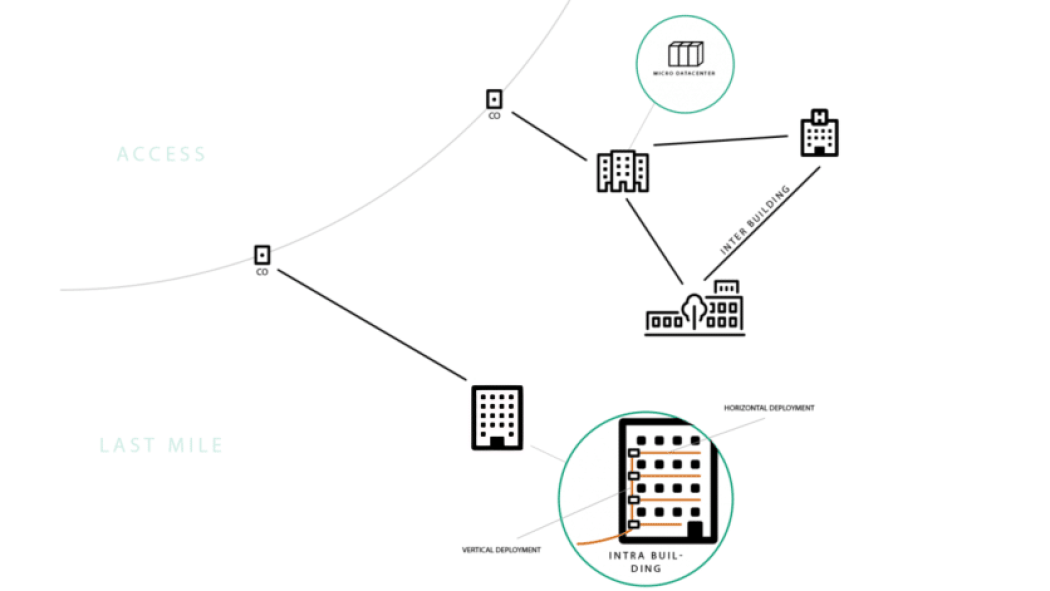
Significance of FTTH in the Society
Active Ethernet Network
An FTTH/FTTB Active Ethernet Network consists of a Central Office (CO) connecting to the Customer Premises Equipment (CPE).
Active Ethernet Networks use a point-to-point architecture in which each end customer is connected to the Central Office (CO) on a dedicated fibre.
Passive Optical Network
An FTTH/FTTB Passive Optical Network consists of an optical line terminal (OLT) at the service provider's central office and a number of optical network units (ONUs) near end-users.
Passive Optical Networks use point-to-multipoint fibre connections to the customer premises. The use of passive optical splitters enables the CO to serve multiple customers from one single port.
SFP & GPON
Products
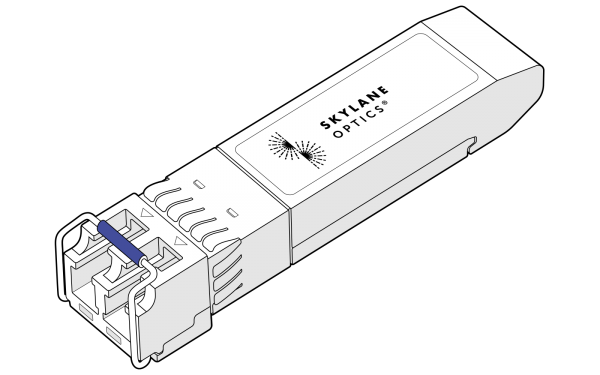
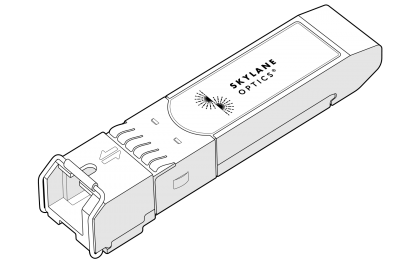
SFP Single Fibre Downstream/Upstream:
By using wavelength multiplexing (WDM), these transceivers allow a bi-directional communication on a single fibre.
Compact SFP:
Increase CO port density by combining two single fibre transceivers into one SFP form factor.
In addition, the Compact SFP will significantly reduce the overall power consumption at the CO side.
GPON OLT/ONU SFP:
Transceiver (layer 1) designed for OLT/ONU available in class B+ and C+.
GPON Stick:
Complete ONU (layer 2) embedded in an SFP form factor; compatible with major vendors' OLTs, available in class B+. It performs conversion between GPON and Ethernet protocols.
Discover our case studies
Case studies
Case Study: City of Mölndal